
Stall types
Stall layout types
Inline, corner, three-side open, island and double-decker stalls explained, with design tips for each.
Stall type is decided by the organiser, not by you. When you book space you are buying a rectangle with a specific number of open sides, and that one fact governs more of the design than budget or taste does — where visitors enter, where staff stand, where storage can hide, and how much finished surface has to be built and lit.
These guides cover each layout you are likely to be sold: inline, corner, three-side open, island, double-decker and the organiser's own shell scheme. Each explains what the layout is good at, what it costs you, and how to lay a stand out to suit it rather than fighting it.
Three-Side Open Stall Design
A three-side open stall (also called a peninsula stall) faces three aisles and has one shared back wall. It gets more footfall than an inline stall, and the back wall is the natural place for the main brand graphic and a storage room.
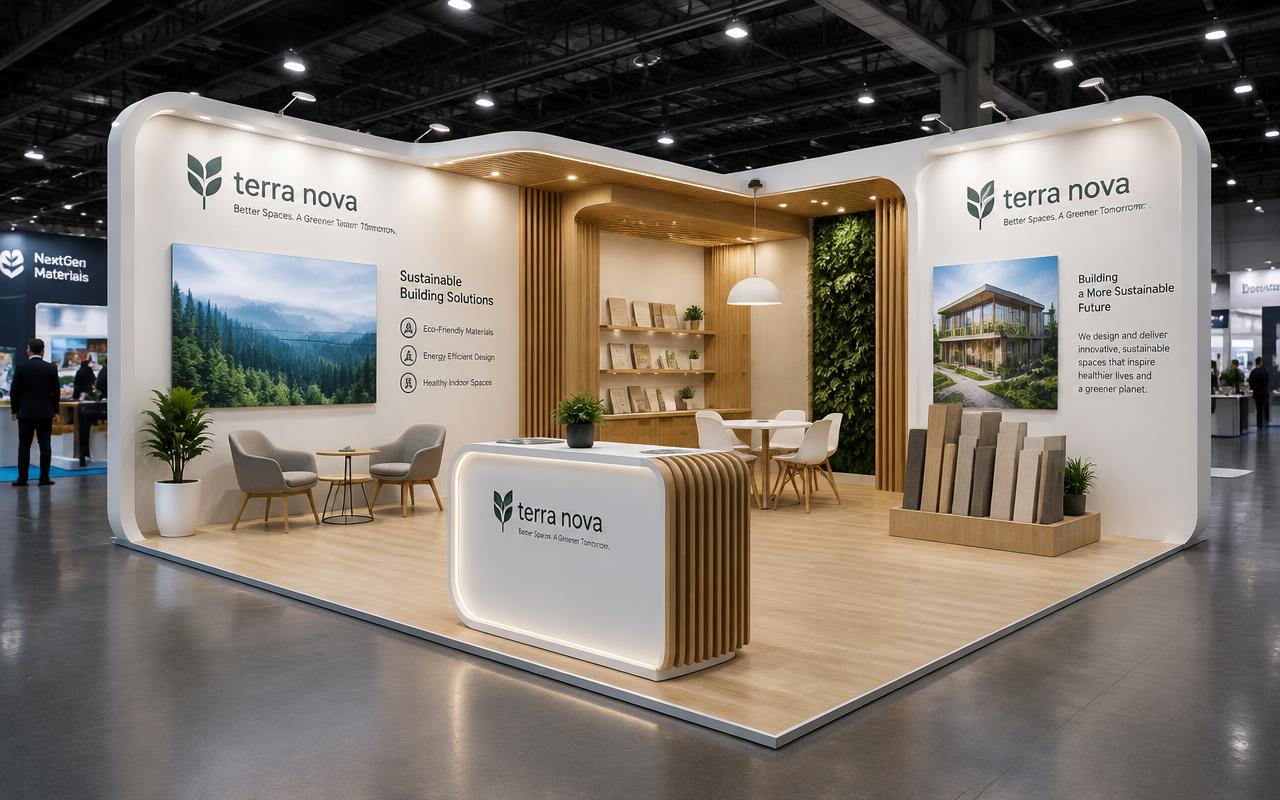
Corner Stall Design
A corner stall (two-side open) sits where two aisles cross, so visitors see it from two directions. Two closed walls give room for graphics and storage, and the open corner is the strongest spot for a hero product or reception counter.

Island Stall Design
An island stall is open on all four sides and is usually the largest and most visible stand type in a hall. With no walls, it relies on a central core, hanging banners and strong lighting for brand presence.

Inline Stall Design
An inline stall is open on one side only, with stalls on both sides and behind it. It is the most economical stall type, so design must win attention from the front with a bold back wall and a clear product display.

Double-Decker Stall Design
A double-decker stall adds an upper floor, usually for private meeting rooms or a hospitality lounge, while the ground floor stays open for display. It needs structural sign-off and organiser approval.
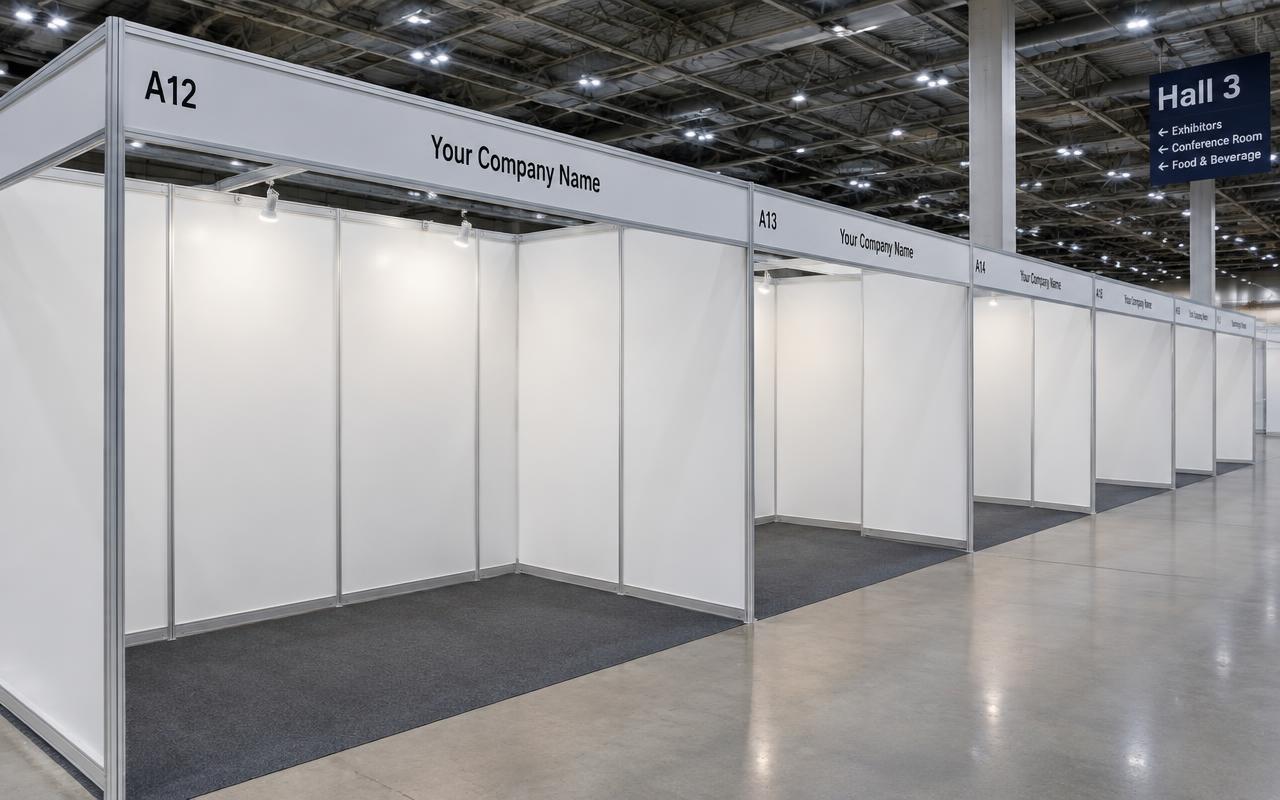
Shell Scheme Stall Design
A shell scheme stall uses the organiser's standard aluminium panels and fascia. With graphics, lighting, flooring and furniture, a shell scheme can look far more premium for a small budget.
Reading these guides
- Check your stand plan first — the number of open sides is on it
- Cost per sq.m rises with open sides: more finished faces, more lighting, more staff
- Closed walls give you free storage and free graphic space; open sides give you footfall
- A well-planned small stand beats a badly planned large one
- A double-decker needs structural sign-off, so decide early or not at all
FAQ
Common questions
Which stall type is best?+
The one you have booked. Open sides bring footfall but cost more per square metre and leave nowhere to hide storage; closed walls give you graphic space and storage for free. The useful question is how to get the most out of the layout you have.
What is a three-side open stall?+
A stand open on three aisles with one shared back wall, often called a peninsula. The back wall is the natural place for the main brand graphic and a storage room, and the two front corners are the strongest spots for demo counters.
Is a corner stall worth the premium?+
Usually yes. A second open face is the single largest increase in visibility per rupee, because visitors see you from two directions rather than one.
Can I change my stall type after booking?+
Only by changing your stand with the organiser, and only while space remains. The layout comes with the space, which is why it is worth deciding before you sign rather than after.
Exhibiting soon? Let's build your stall.